- Call us: + 84 832 126 699
4.9 stars on our site
(10,000 reviews)
- Monday - Sunday : 08:00 - 17:00
(10,000 reviews)

Discover the breathtaking landscapes and vibrant culture of Southern Vietnam through trekking. This guide provides everything you need for an unforgettable adventure!
Southern Vietnam, often envisioned for its bustling cities and serene beaches, holds a secret world of stunning natural beauty ripe for exploration. Trekking through its lush jungles, rolling hills, and alongside cascading waterfalls provides an unparalleled opportunity to connect with the region’s raw beauty and unique cultural tapestry. Many underestimate the trekking potential, but it’s truly remarkable.
.jpg)
This comprehensive guide will take you on a journey into the heart of Southern Vietnam trekking, equipping you with the knowledge and resources to plan your own unforgettable adventure. We will delve into essential preparation steps, explore diverse trail options suitable for various skill levels, offer practical tips for navigating the terrain, and provide insights into the rich cultural encounters that await you along the way. Our team at [Golden Trekking Tours] believes in responsible and sustainable tourism, so we will also cover ethical considerations for minimizing your environmental impact and supporting local communities.
While Southern Vietnam is rightfully famous for its coastal charm, the allure of its interior lies in its relatively untouched wilderness. Imagine yourself immersed in the emerald embrace of Cat Tien National Park, home to a diverse array of flora and fauna, or traversing the rugged terrain of the Central Highlands, dotted with coffee plantations and ethnic minority villages. The varied landscapes offer something for every trekker, from leisurely strolls through fragrant fruit orchards to challenging ascents that reward you with panoramic vistas. Furthermore, the unique cultural experiences encountered along these trails add a profound dimension to your adventure, providing insights into the traditions and lifestyles of the region’s diverse communities. Trekking with [Golden Trekking Tours] ensures you experience the most authentic parts of the region.
Unlike the more established trekking destinations in Northern Vietnam, the South offers a sense of pioneering spirit. You are venturing into lesser-known territories, often encountering trails less traveled and opportunities for genuine interactions with local communities. This sense of discovery makes Southern Vietnam trekking a truly rewarding experience for those seeking an off-the-beaten-path adventure. The quiet beauty and less crowded trails provide a welcome escape from the bustling cities.
Beyond the physical challenge and visual splendor, Southern Vietnam trekking offers a deeper connection to the land and its people. You’ll find yourself immersed in a slower pace of life, appreciating the simple pleasures of nature and the warmth of human connection. It’s an opportunity to disconnect from the digital world and reconnect with yourself, fostering a sense of mindfulness and appreciation for the present moment. [Golden Trekking Tours] focuses on offering these kinds of transformative experiences.
Proper preparation is paramount for a safe and enjoyable trekking experience in Southern Vietnam. This involves careful consideration of gear, fitness levels, permits, and health precautions. Neglecting any of these aspects can significantly impact your trip, so it’s crucial to invest time and effort in thorough planning. Firstly, consider the weather. Southern Vietnam generally experiences a tropical climate, characterized by high humidity and distinct wet and dry seasons. Pack lightweight, breathable clothing that dries quickly, as well as a waterproof jacket or poncho. Sturdy hiking boots with good ankle support are essential for navigating uneven terrain, and don’t forget to pack comfortable socks to prevent blisters. A well-fitting backpack is also crucial, allowing you to carry your essentials without straining your back. Consider one from [Golden Trekking Tours]’s recommended brands.
In addition to appropriate clothing and footwear, other essential gear includes a water bottle or hydration pack, a headlamp or flashlight, sunscreen, insect repellent, a basic first-aid kit, and a map and compass or GPS device. Depending on the length and remoteness of your trek, you may also need to bring a sleeping bag, a tent, and cooking equipment. When it comes to fitness, assess your current level and gradually increase your training in the weeks leading up to your trip. Focus on exercises that build cardiovascular endurance and leg strength, such as hiking, running, and cycling. It’s also important to practice hiking with a weighted backpack to simulate the conditions you’ll encounter on the trail.
Regarding permits, some national parks and protected areas require permits for trekking. Research the specific requirements for your chosen destination and obtain the necessary permits in advance. Health precautions are also crucial. Consult your doctor about recommended vaccinations and malaria prophylaxis, and ensure you have adequate travel insurance that covers medical emergencies. Be mindful of food and water safety, drinking only bottled or purified water and eating at reputable establishments. By taking these essential preparation steps, you can minimize risks and maximize your enjoyment of Southern Vietnam trekking.
Embarking on a Southern Vietnam trek requires careful planning, starting with choosing the right trail and navigating the logistics. This section provides a step-by-step guide to help you design a fulfilling and safe adventure. First, determine your skill level and desired experience. Are you a seasoned hiker seeking a challenging multi-day trek, or a beginner looking for a leisurely day hike? Consider your fitness level, available time, and personal preferences when selecting a trail. Popular options include the Cat Tien National Park trails, the Bidoup Nui Ba National Park treks, and the trails around Da Lat. Research different trails and read reviews from other trekkers to get a sense of their difficulty, scenery, and cultural encounters.
Next, decide whether you want to hire a guide or trek independently. A guide can provide invaluable local knowledge, navigate the terrain, and ensure your safety. They can also facilitate interactions with local communities and provide insights into their culture and traditions. If you choose to trek independently, ensure you have adequate navigation skills and a reliable map and compass or GPS device. Learn some basic Vietnamese phrases to communicate with locals and be prepared to handle unexpected situations. When booking accommodations, consider your budget and desired level of comfort. Options range from basic homestays in local villages to comfortable guesthouses in towns near the trekking trails. Book accommodations in advance, especially during peak season.
Finally, plan your transportation to and from the trailhead. Options include buses, trains, and taxis. Research the most convenient and affordable transportation options for your chosen destination. Allow ample time for travel and be prepared for potential delays. Once you’ve finalized your itinerary, pack your gear, obtain necessary permits, and inform your family or friends of your travel plans. With careful planning and attention to detail, you can ensure a smooth and rewarding Southern Vietnam trekking experience. [Golden Trekking Tours] can help you plan these logistics as well.
Once you’re on the trail, it’s essential to employ best practices for safe and responsible trekking. This includes navigating the terrain effectively, respecting local customs, and minimizing your environmental impact. When hiking, pay attention to the trail markings and follow the designated path. Use a map and compass or GPS device to orient yourself and avoid getting lost. Be aware of potential hazards, such as slippery slopes, uneven terrain, and wildlife. Wear appropriate footwear with good ankle support to prevent injuries.
Respecting local customs is crucial for fostering positive interactions with communities along the trail. Dress modestly when visiting villages and temples, and ask for permission before taking photos of people. Learn some basic Vietnamese phrases to communicate with locals and show your appreciation for their culture. Be mindful of noise levels and avoid disturbing the peace and tranquility of the surroundings. When it comes to minimizing your environmental impact, pack out all your trash and dispose of it responsibly. Avoid using single-use plastics and opt for reusable alternatives. Stay on established trails to prevent erosion and damage to vegetation. Do not disturb wildlife or their habitats. Support local businesses and communities by purchasing locally made products and services. By adhering to these best practices, you can contribute to the sustainability of Southern Vietnam trekking and ensure a positive experience for yourself and others.
Furthermore, communication with your trekking group is crucial. Establish clear signals and communication methods beforehand, especially in areas with limited mobile reception. Regularly check in with each other, ensuring everyone is feeling well and aware of the surroundings. In case of an emergency, know the location of the nearest medical facility and have a plan for evacuation. By prioritizing safety and responsible behavior, you can maximize the enjoyment of your Southern Vietnam trekking adventure while preserving the environment and respecting local cultures. This is something [Golden Trekking Tours] takes very seriously.
Even with careful planning, you may encounter unforeseen challenges during your Southern Vietnam trek. Being prepared to troubleshoot common issues can prevent them from derailing your adventure. One common challenge is dealing with the weather. Sudden rainstorms are frequent, so always carry a waterproof jacket or poncho. Be aware of the potential for landslides and flash floods, especially during the wet season. If you encounter heavy rain, seek shelter and wait for the storm to pass before continuing your trek.
Another common challenge is dealing with insects. Mosquitoes and other biting insects can be prevalent, especially in jungle areas. Use insect repellent with a high concentration of DEET and wear long sleeves and pants to minimize exposure. Be aware of the potential for leeches, especially in wet areas. Wear leech socks or tuck your pants into your socks to prevent them from attaching to your skin. If you do get bitten by a leech, remove it carefully and disinfect the wound. Furthermore, navigation can be challenging, especially on poorly marked trails. Invest in a reliable map and compass or GPS device and learn how to use them effectively. If you get lost, stay calm and try to retrace your steps. If you’re unable to find your way back, seek help from local villagers or contact emergency services.
Finally, physical challenges such as fatigue, blisters, and muscle soreness are common during trekking. Pace yourself and take frequent breaks to rest and hydrate. Wear comfortable hiking boots with good ankle support to prevent blisters. If you develop blisters, treat them promptly with blister pads and antiseptic ointment. Stretch your muscles regularly to prevent muscle soreness. By being prepared for these common challenges and knowing how to address them, you can minimize their impact and enjoy a more comfortable and rewarding trekking experience.
For experienced trekkers seeking to elevate their Southern Vietnam adventure, several advanced tips can enhance your experience and push your boundaries. Consider incorporating off-trail exploration into your itinerary. With the guidance of a knowledgeable local guide, venture beyond established trails to discover hidden waterfalls, secluded viewpoints, and untouched wilderness areas. This requires advanced navigation skills and a willingness to embrace the unknown, but the rewards can be extraordinary.
Another advanced tip is to immerse yourself deeper in local culture. Instead of simply passing through villages, take the time to engage with local communities. Learn about their traditions, customs, and way of life. Participate in local activities, such as cooking classes or traditional crafts workshops. This will not only enrich your understanding of the region but also contribute to the sustainability of local communities. Furthermore, consider incorporating elements of adventure into your trek. Try rock climbing, rappelling, or canyoning in areas with suitable terrain. These activities require specialized equipment and expertise, so be sure to hire a qualified guide and prioritize safety.
Finally, challenge yourself physically and mentally by tackling longer and more challenging treks. Explore remote mountain ranges or attempt to summit peaks with stunning panoramic views. This requires a high level of fitness and endurance, but the sense of accomplishment will be immense. By incorporating these advanced tips, you can transform your Southern Vietnam trekking experience from a simple hike into a truly transformative adventure.
To illustrate the diverse possibilities of Southern Vietnam trekking, let’s explore some real-world examples of popular and rewarding treks. One classic option is the multi-day trek through Cat Tien National Park. This trek takes you deep into the heart of the park’s lush rainforest, where you’ll encounter diverse wildlife, including gibbons, deer, and wild boars. You’ll also have the opportunity to visit local ethnic minority villages and learn about their traditional way of life. The Cat Tien trek is suitable for trekkers of all skill levels, with options ranging from easy day hikes to challenging multi-day expeditions.
Another popular option is the trek to Lang Biang Mountain near Da Lat. This trek offers stunning panoramic views of the surrounding countryside, including lush valleys, rolling hills, and pine forests. The trek is relatively short and easy, making it suitable for families and beginner trekkers. You can choose to hike to the summit or take a jeep ride, depending on your preference. For a more challenging trek, consider exploring Bidoup Nui Ba National Park. This park is home to the second-highest peak in Southern Vietnam, offering spectacular views and challenging terrain. The trek requires a high level of fitness and endurance, but the rewards are well worth the effort. You’ll encounter diverse flora and fauna, including rare orchids and birds, and have the opportunity to camp in the wilderness.
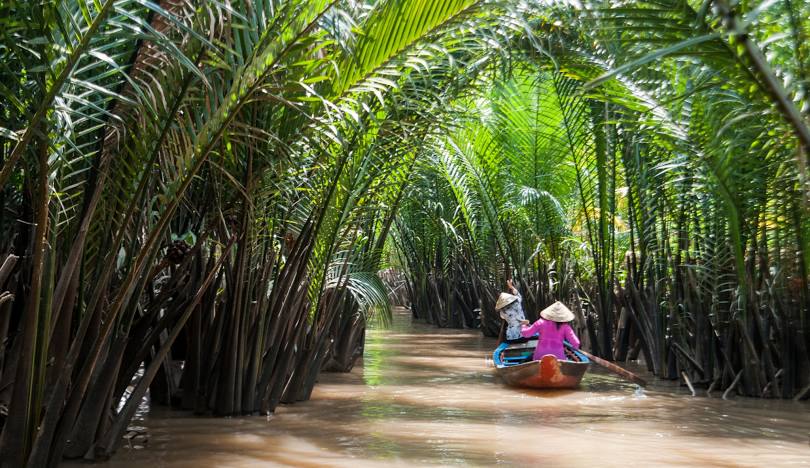
Finally, consider a trek through the Mekong Delta. This trek takes you through a network of canals, rice paddies, and fruit orchards, offering a glimpse into the unique culture and way of life of the region. You’ll travel by boat and on foot, visiting local villages, floating markets, and ancient temples. The Mekong Delta trek is a relatively easy and relaxing option, suitable for trekkers of all skill levels. These real-world examples demonstrate the diverse range of trekking opportunities available in Southern Vietnam, catering to all interests and skill levels. [Golden Trekking Tours] offers tours to all of these locations.
Now that you’re equipped with the knowledge and inspiration to embark on your own Southern Vietnam trekking adventure, it’s time to take the first step. Start by researching different destinations and trails, considering your skill level, interests, and available time. Use the resources provided in this guide, such as online reviews, travel blogs, and trekking forums, to gather information and inspiration. Next, create a detailed itinerary, including transportation, accommodation, permits, and activities. Book accommodations and transportation in advance, especially during peak season. Obtain necessary permits for national parks and protected areas. Pack your gear carefully, ensuring you have all the essentials for a safe and comfortable trek.
If you’re unsure where to start or prefer the convenience of a guided tour, consider booking a trekking package with a reputable tour operator. [Golden Trekking Tours] offers a wide range of trekking packages in Southern Vietnam, catering to all interests and skill levels. Our experienced guides will take care of all the logistics, ensuring a safe, enjoyable, and enriching experience. Remember to prioritize safety and responsible trekking practices throughout your adventure. Follow the trail markings, respect local customs, and minimize your environmental impact. By taking these steps, you can transform your dream of Southern Vietnam trekking into a reality. Start planning your adventure today and prepare to be amazed by the beauty and wonder of this captivating region.
The call to adventure awaits. Answer it and discover the magic that Southern Vietnam Trekking has to offer.
The dry season, from December to April, is generally considered the best time for trekking in Southern Vietnam. The weather is cooler and drier, making for more comfortable hiking conditions. However, it’s important to note that the weather can still be unpredictable, so it’s always a good idea to be prepared for rain.
Most nationalities require a visa to enter Vietnam. Check the visa requirements for your country of origin before traveling. You can obtain a visa online or through a Vietnamese embassy or consulate.
Essential items to pack include lightweight, breathable clothing, sturdy hiking boots, a waterproof jacket, sunscreen, insect repellent, a first-aid kit, a headlamp, and a water bottle. Depending on the length and remoteness of your trek, you may also need to bring a sleeping bag, a tent, and cooking equipment.
Đơn vị: Golden Trekking Tours
Website: https://goldentrekkingtours.com/
.jpg "Your Ultimate Guide to Southern Vietnam Trekking")
Leave a Reply
Your email address will not be published. Required fields are marked *