- Call us: + 84 832 126 699
4.9 stars on our site
(10,000 reviews)
- Monday - Sunday : 08:00 - 17:00
(10,000 reviews)

Discover the breathtaking beauty of Vietnam’s Central Highlands through trekking. This comprehensive guide covers everything you need to know for an unforgettable adventure.
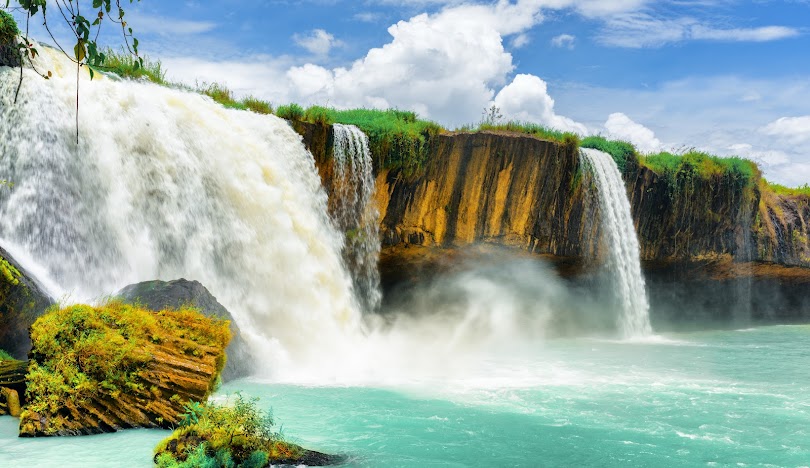
The Central Highlands of Vietnam, a land of mist-shrouded mountains, cascading waterfalls, and vibrant ethnic cultures, beckons adventurers seeking an escape from the ordinary. Trekking here is more than just a physical challenge; it’s an immersive experience that connects you with nature, history, and the warm hospitality of the local people. But navigating this diverse terrain requires careful planning and knowledge.
.jpg)
This guide will arm you with everything you need to plan your perfect Central Highlands trekking adventure, from choosing the right trail and preparing your gear to understanding the local culture and staying safe. We’ll cover essential information, practical tips, and inspiring stories to help you create memories that will last a lifetime. Get ready to explore the untamed beauty of Vietnam!
Central Highlands trekking offers a unique blend of adventure and cultural immersion. Unlike some of the more popular tourist destinations in Vietnam, the Central Highlands remains relatively untouched, offering a glimpse into a more authentic way of life. This region, characterized by its rolling hills, dense forests, and fertile coffee plantations, is home to a variety of ethnic minority groups, each with their own distinct traditions and customs.
Trekking in the Central Highlands means venturing into a landscape that has remained largely unchanged for centuries. You’ll traverse through lush jungles, cross clear streams, and ascend to panoramic viewpoints that offer breathtaking vistas of the surrounding countryside. Along the way, you’ll encounter friendly locals, sample delicious regional cuisine, and learn about the history and culture of this fascinating region. This is where the adventure truly begins, with [Golden Trekking Tours] offering curated tours to experience it firsthand.
But the Central Highlands is not without its challenges. The terrain can be demanding, the weather unpredictable, and the cultural nuances can be difficult to navigate without proper preparation. That’s why it’s essential to do your research, plan your itinerary carefully, and choose a reputable trekking operator or guide. With the right preparation, however, the rewards are well worth the effort. You will come home with a deeper appreciation for the beauty of nature, the richness of Vietnamese culture, and your own inner strength.
Before you lace up your boots and hit the trails, it’s crucial to understand the basics of Central Highlands trekking. This involves familiarizing yourself with the geography, climate, culture, and regulations of the region. A well-informed trekker is a safer and more respectful trekker.
First, let’s talk about geography. The Central Highlands is a mountainous region that stretches across five provinces: Kon Tum, Gia Lai, Dak Lak, Dak Nong, and Lam Dong. Each province offers its own unique trekking experiences, from the coffee plantations of Dak Lak to the pine forests of Lam Dong. Understanding the terrain and altitude of your chosen route is essential for planning your itinerary and packing the right gear. Climate also plays a significant role. The Central Highlands experiences a tropical monsoon climate, with distinct wet and dry seasons. The dry season, which typically runs from November to April, is the best time for trekking, as the weather is cooler and drier. The wet season, from May to October, can bring heavy rainfall and muddy trails. Always check the weather forecast before you set out and be prepared for sudden changes in conditions.
Respect for the local culture is paramount. The Central Highlands is home to a diverse array of ethnic minority groups, including the Jarai, Ede, and K’ho. Each group has its own unique customs, traditions, and languages. Before you arrive, take some time to learn about the local culture and customs. Dress modestly when visiting villages and ask permission before taking photos. Be mindful of your impact on the environment. Pack out all your trash, stay on marked trails, and avoid disturbing wildlife. Support local businesses and communities by purchasing souvenirs and food from local vendors. By respecting the local culture and environment, you can help ensure that the Central Highlands remains a sustainable and vibrant destination for generations to come. With [Golden Trekking Tours]’s commitment to ethical tourism, you can explore responsibly and support local communities.
Planning a Central Highlands trekking adventure requires careful consideration and attention to detail. From choosing your destination to packing your backpack, every step of the process is crucial to ensuring a safe and enjoyable experience. This section provides a step-by-step guide to help you plan your trek with confidence.
Step 1: Choose Your Destination. The Central Highlands offers a wide range of trekking options, from day hikes to multi-day expeditions. Consider your fitness level, experience, and interests when choosing your destination. Popular trekking areas include the Bidoup Nui Ba National Park in Lam Dong, the Yok Don National Park in Dak Lak, and the Kon Ka Kinh National Park in Gia Lai. Research different trails and routes, read reviews from other trekkers, and choose a destination that aligns with your goals and abilities. Step 2: Determine Your Trekking Style. Do you prefer to trek independently or with a guided tour? Independent trekking offers more flexibility and freedom, but it also requires more planning and preparation. Guided tours provide expert knowledge, logistical support, and cultural insights, but they can be more expensive. Weigh the pros and cons of each option and choose the style that best suits your preferences and budget. [Golden Trekking Tours] offers both guided and custom-designed trekking tours to meet your individual needs.
Step 3: Plan Your Itinerary. Once you’ve chosen your destination and trekking style, it’s time to plan your itinerary. Determine the length of your trek, the daily distances you’ll cover, and the locations where you’ll camp or stay overnight. Be realistic about your fitness level and allow for rest days. Factor in potential delays due to weather or unforeseen circumstances. Share your itinerary with a friend or family member and check in with them regularly. Step 4: Obtain Necessary Permits and Visas. Depending on your destination and nationality, you may need to obtain permits or visas before you can trek in the Central Highlands. Check the regulations of the national park or protected area you plan to visit and apply for any required permits in advance. If you’re not a Vietnamese citizen, you’ll likely need a valid visa to enter the country. Step 5: Pack Your Gear. Packing the right gear is essential for a safe and comfortable trek. Be sure to pack appropriate clothing, footwear, and equipment for the terrain and weather conditions. A well-stocked first-aid kit is also essential.
Safety should always be your top priority when trekking in the Central Highlands. This region is known for its rugged terrain, unpredictable weather, and remote locations. By following best practices, you can minimize your risk of injury or illness and ensure a safe and enjoyable trek.
First and foremost, always trek with a buddy or in a group. Trekking alone can be dangerous, especially in remote areas. Having a companion can provide support, assistance, and companionship. If you’re trekking with a group, stay together and communicate regularly. Share your itinerary with someone who isn’t trekking with you and check in with them regularly. Second, be aware of your surroundings. Pay attention to the terrain, weather, and wildlife. Watch out for slippery rocks, steep drop-offs, and poisonous plants. Avoid approaching or feeding wild animals. Stay on marked trails and avoid venturing off into the wilderness. Third, stay hydrated and nourished. Drink plenty of water throughout the day, especially in hot weather. Pack high-energy snacks, such as nuts, dried fruit, and energy bars. Eat regular meals to maintain your energy levels. Fourth, protect yourself from the sun. Wear sunscreen, a hat, and sunglasses to protect your skin and eyes from the sun’s harmful rays. Avoid trekking during the hottest part of the day. Fifth, be prepared for emergencies. Carry a first-aid kit, a map, a compass, and a whistle. Know how to use your equipment and how to signal for help. Learn basic first-aid skills. If you encounter an emergency, stay calm and assess the situation. Administer first aid if necessary and call for help.
By following these best practices, you can significantly reduce your risk of injury or illness and ensure a safe and enjoyable trek. Remember, safety is always the most important consideration. With the expert guidance of [Golden Trekking Tours], you can rest assured that your safety is paramount.
Even with careful planning and preparation, you may encounter challenges during your Central Highlands trekking adventure. These challenges can range from physical discomfort to logistical difficulties. By understanding these challenges and how to overcome them, you can minimize their impact and ensure a successful trek.
One of the most common challenges is physical fatigue. Trekking in the Central Highlands can be physically demanding, especially if you’re not used to hiking in mountainous terrain. To combat fatigue, train regularly before your trek, start with shorter hikes and gradually increase the distance and elevation. Pace yourself during your trek and take regular breaks. Stay hydrated and nourished. Listen to your body and don’t push yourself too hard. Another common challenge is weather. The weather in the Central Highlands can be unpredictable, with sudden changes in temperature, humidity, and rainfall. To prepare for weather-related challenges, pack appropriate clothing for all types of weather. Check the weather forecast before you set out and be prepared for sudden changes in conditions. Carry rain gear and extra layers of clothing. Seek shelter during thunderstorms and avoid trekking in heavy rain. Navigational challenges can also arise, particularly if you’re trekking independently. To avoid getting lost, study your route carefully before you set out. Use a map and compass to navigate. Pay attention to landmarks and trail markers. If you’re unsure of your location, backtrack to a familiar point and retrace your steps. Consider using a GPS device or a smartphone app with offline maps.
Finally, communication can be a challenge, especially if you don’t speak Vietnamese or the local ethnic minority languages. To overcome communication barriers, learn a few basic Vietnamese phrases. Carry a phrasebook or a translation app. Be patient and respectful when communicating with locals. Use gestures and visual aids to communicate your needs. Hire a local guide who can speak the language and help you navigate the cultural nuances. With preparation and adaptability, you can overcome these common challenges and enjoy a smooth and successful trek. The team at [Golden Trekking Tours] provides language support and cultural insights to ensure a seamless experience.
For experienced trekkers looking to take their Central Highlands adventure to the next level, here are some advanced tips to enhance your experience and push your limits.
Consider off-the-beaten-path destinations. While popular trekking areas like Bidoup Nui Ba and Yok Don offer stunning scenery, there are many lesser-known areas in the Central Highlands that offer even more authentic and challenging experiences. Research remote villages, hidden waterfalls, and unexplored mountain ranges. Hire a local guide who knows the area well and is willing to take you off the beaten path. Master advanced navigation techniques. If you’re comfortable with using a map and compass, consider learning more advanced navigation techniques, such as using a GPS device, interpreting topographical maps, and navigating by the stars. Practice these techniques in a safe environment before venturing into remote areas. Develop your wilderness survival skills. Learning basic wilderness survival skills can be invaluable in case of an emergency. Practice building a fire, finding water, building a shelter, and administering first aid. Take a wilderness survival course to learn more advanced techniques. Embrace sustainable trekking practices. Minimize your impact on the environment by practicing Leave No Trace principles. Pack out all your trash, stay on marked trails, avoid disturbing wildlife, and support local communities. Choose eco-friendly accommodations and trekking operators. Learn about the local culture and traditions. The Central Highlands is home to a diverse array of ethnic minority groups, each with their own unique customs and traditions. Take the time to learn about the local culture and traditions before your trek. Dress modestly when visiting villages, ask permission before taking photos, and be respectful of local customs. Attend local festivals and events to learn more about the culture firsthand. Remember to always prioritize safety and respect for the environment and local culture. [Golden Trekking Tours] is dedicated to promoting sustainable and responsible tourism in the Central Highlands.
To give you a better idea of what to expect on a Central Highlands trekking adventure, let’s look at some real-life examples of popular treks and the experiences they offer.
The Bidoup Nui Ba National Park Trek: This trek takes you through the lush forests of the Bidoup Nui Ba National Park, home to a diverse array of plant and animal life. The trek typically lasts 2-3 days and involves hiking through challenging terrain, crossing streams, and camping in the wilderness. You’ll be rewarded with stunning views of the surrounding mountains and valleys, as well as the opportunity to spot rare wildlife, such as gibbons and langurs. The Yok Don National Park Trek: This trek takes you through the dry dipterocarp forests of the Yok Don National Park, home to the largest remaining population of wild elephants in Vietnam. The trek typically lasts 3-4 days and involves hiking through relatively flat terrain, camping near watering holes, and tracking elephants with experienced guides. You’ll have the opportunity to learn about elephant conservation and the challenges of protecting these majestic animals. The Kon Ka Kinh National Park Trek: This trek takes you through the montane forests of the Kon Ka Kinh National Park, home to a variety of endemic plant and animal species. The trek typically lasts 4-5 days and involves hiking through challenging terrain, climbing to high elevations, and camping in remote areas. You’ll be rewarded with panoramic views of the surrounding countryside, as well as the opportunity to learn about the unique biodiversity of the Central Highlands. These are just a few examples of the many amazing trekking adventures that await you in the Central Highlands. With careful planning and preparation, you can create your own unforgettable experience. [Golden Trekking Tours] can help you customize your trek to match your interests and fitness level.
Now that you’ve learned about the basics of Central Highlands trekking, it’s time to start planning your own unforgettable adventure. Here are some steps you can take to get started.
Research your destination. Choose a trekking area that aligns with your interests, fitness level, and budget. Read reviews from other trekkers, study maps, and learn about the local culture and regulations. Choose a trekking style. Decide whether you prefer to trek independently or with a guided tour. Weigh the pros and cons of each option and choose the style that best suits your preferences. Book your accommodations and transportation. Book your accommodations in advance, especially if you’re traveling during peak season. Arrange for transportation to and from your trekking area. Pack your gear. Make a packing list and gather all the necessary gear for your trek. Be sure to pack appropriate clothing, footwear, and equipment for the terrain and weather conditions. Obtain necessary permits and visas. Check the regulations of the national park or protected area you plan to visit and apply for any required permits in advance. If you’re not a Vietnamese citizen, you’ll likely need a valid visa to enter the country. Train for your trek. Start training regularly before your trek to improve your fitness level. Go on practice hikes and gradually increase the distance and elevation. Learn basic first-aid skills. Take a first-aid course to learn how to treat common injuries and illnesses. Be prepared for emergencies. Carry a first-aid kit, a map, a compass, and a whistle. Know how to use your equipment and how to signal for help.
The dry season, from November to April, is generally considered the best time for trekking in the Central Highlands due to cooler temperatures and less rainfall.
Essential items include sturdy hiking boots, lightweight and moisture-wicking clothing, rain gear, sunscreen, a hat, insect repellent, a first-aid kit, a water bottle or hydration pack, and a headlamp or flashlight.
Permits may be required for trekking in certain national parks and protected areas. Check with the local authorities or your trekking operator to determine the specific requirements for your chosen route.
If you’re looking for a truly unforgettable adventure, Central Highlands trekking is the perfect choice. With its stunning scenery, rich culture, and challenging terrain, this region offers something for everyone. Contact us at [Golden Trekking Tours] today to start planning your dream trek! Visit our website or call us to speak with one of our experienced travel consultants. We look forward to helping you create memories that will last a lifetime.
.jpg "Elephant Trek Vietnam")
.jpg "The Ultimate Guide to Central Highlands Trekking")
Leave a Reply
Your email address will not be published. Required fields are marked *