- Call us: + 84 832 126 699
4.9 stars on our site
(10,000 reviews)
- Monday - Sunday : 08:00 - 17:00
(10,000 reviews)

Trekking is an exciting way to connect with nature, explore beautiful landscapes, and challenge yourself physically. However, successful trekking requires thorough preparation to ensure your safety and enjoyment throughout the journey. In this blog, we’ll walk you through everything you need to prepare for a trekking adventure.
Before you even start packing, it's important to decide on the trekking route. Whether you're planning a short day hike or a multi-day trek, research the terrain, weather conditions, and difficulty level of your chosen route. Make sure it's suitable for your fitness level and experience. Some routes may require permits or guided tours, so ensure that all necessary arrangements are made well in advance.
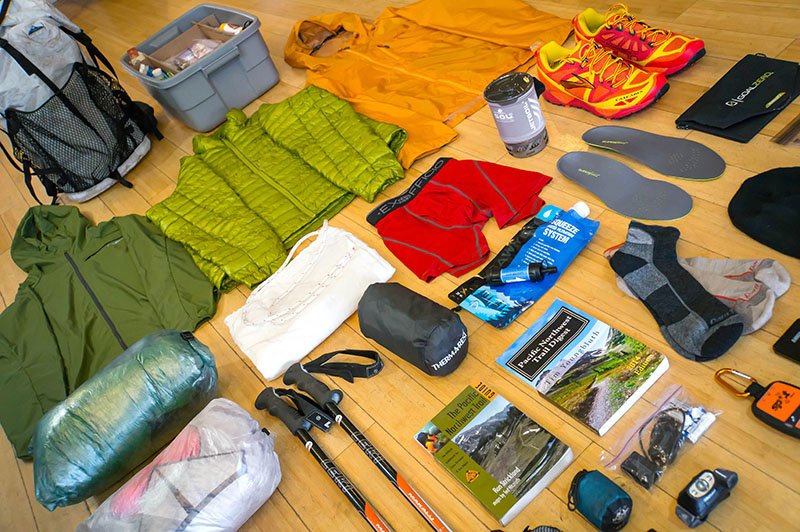
The right gear is crucial for your comfort and safety on the trail. Here's a checklist of what you should bring:
Trekking Boots: Invest in sturdy, waterproof boots that provide ankle support and traction on rough terrain.
Backpack: A comfortable, well-fitting backpack with enough capacity to carry your essentials is key.
Clothing: Layer your clothing to regulate your body temperature. Include moisture-wicking base layers, an insulating mid-layer, and a waterproof outer layer. Don’t forget a hat and gloves for colder conditions.
Sleeping Bag and Tent (for overnight treks): If you’re trekking for multiple days, a lightweight tent and sleeping bag suited to the weather conditions are essential.
Trekking Poles: Trekking poles help reduce strain on your knees, especially during steep descents, and provide stability on uneven ground.
Staying well-nourished and hydrated is vital during any trekking adventure. Pack energy-dense snacks such as nuts, granola bars, dried fruits, and jerky. For long treks, you may also want to bring freeze-dried meals that are lightweight and easy to prepare. Water is a top priority—carry enough for your entire hike, and consider bringing a portable water filter or purification tablets for refills along the way.
Having the right navigation tools ensures you stay on the right path, especially in remote areas. A map, compass, or GPS device is a must. If you're trekking in unfamiliar territory, consider downloading offline maps or using a trekking app for easy access to your route.
Accidents can happen, so it’s always best to be prepared. A small first aid kit with bandages, antiseptic, pain relievers, and blister care is essential. Also, bring a multi-tool or knife, a headlamp or flashlight, and extra batteries. If you’re heading into wildlife areas, bear spray or other safety items may be necessary.
Trekking weather can be unpredictable, so be prepared for any conditions. Check the forecast before heading out, and pack accordingly. If you're trekking in high-altitude or alpine areas, temperatures can drop significantly even during summer months. Always pack a rain jacket, extra layers, and sun protection (sunscreen, sunglasses, and a hat).
While trekking can be thrilling, it's important to listen to your body and know your limits. Pace yourself and take regular breaks to prevent exhaustion. In case of an emergency, ensure that you have access to emergency contact information, and always tell someone your planned route and estimated return time. Carry a whistle, a signal mirror, or a satellite messenger for communication if needed.
Trekking is not only a physical challenge but also a mental one. Prepare yourself to handle tough moments—whether it's long climbs, adverse weather, or dealing with fatigue. Stay positive, remain calm in difficult situations, and keep your focus on enjoying the experience.

.jpg "Top 10 Places to Hike in Vietnam")
Leave a Reply
Your email address will not be published. Required fields are marked *