- Call us: + 84 832 126 699
4.9 stars on our site
(10,000 reviews)
- Monday - Sunday : 08:00 - 17:00
(10,000 reviews)

Embark on unforgettable adventures! Discover essential tips and expert advice for safe trekking in Vietnam. Plan your trip with confidence and explore stunning landscapes.
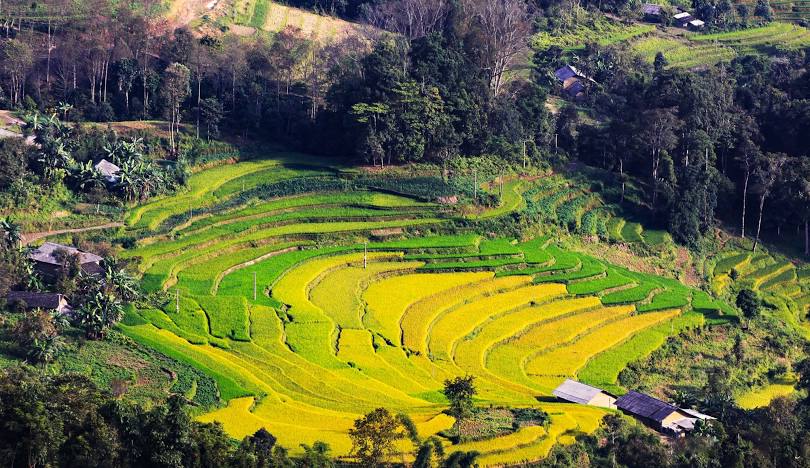
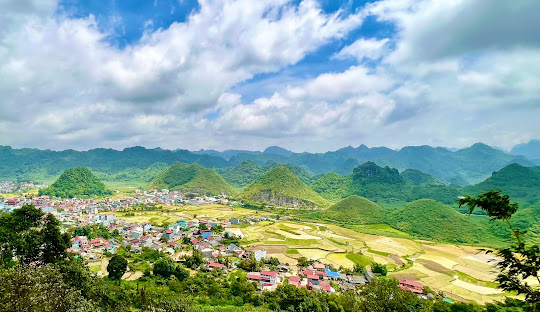
Vietnam, a land of breathtaking landscapes and vibrant culture, offers incredible trekking opportunities for adventurers of all levels. From the rice terraces of Sapa to the jungles of Cat Tien, the country is a paradise for those seeking an immersive experience in nature. However, it is crucial to prioritize safety to ensure a memorable and enjoyable journey.
.webp)
This comprehensive guide will equip you with the knowledge and tools needed to plan and execute a safe trekking adventure in Vietnam. We will delve into essential pre-trek preparations, gear recommendations, navigating potential hazards, and understanding local customs. By following these guidelines, you can confidently explore the natural beauty of Vietnam while minimizing risks.
Before even considering hitting the trails, it’s essential to understand the unique challenges and potential risks associated with trekking in Vietnam. The diverse terrain, ranging from mountainous regions to dense jungles, presents different obstacles. Weather conditions can also be unpredictable, with sudden downpours and extreme temperatures being common occurrences. Understanding these basics is the first step toward safe trekking in Vietnam.
One of the most important aspects is researching your chosen trekking route thoroughly. Gather information about the difficulty level, elevation gain, terrain type, and potential hazards. Check recent weather forecasts and be prepared for changes in conditions. Consult with experienced trekkers or local guides to get firsthand insights and tips. Moreover, familiarize yourself with basic first aid and emergency procedures. Knowing how to handle minor injuries or unexpected situations can make a significant difference.
Furthermore, consider the cultural aspects of trekking in Vietnam. Respect local customs and traditions. Dress modestly when passing through villages or religious sites. Learn a few basic Vietnamese phrases to communicate with locals. By demonstrating respect and cultural sensitivity, you can foster positive relationships and enhance your overall trekking experience. Remember that responsible tourism contributes to the preservation of the environment and the well-being of local communities.
Finally, be aware of the potential for scams or tourist traps. Stick to reputable tour operators and avoid engaging with unofficial guides or vendors. Keep your valuables secure and be cautious when handling money. By being vigilant and proactive, you can minimize the risk of becoming a victim of fraud or theft. Safe trekking in Vietnam requires a combination of preparation, awareness, and respect for the local environment and culture.
Planning is paramount when it comes to ensuring a safe and enjoyable trekking experience. This step-by-step guide will walk you through the essential stages of planning your trek, from selecting the right route to packing your backpack.
Step 1: Choose Your Trekking Route: Research different trekking destinations in Vietnam, considering your fitness level, experience, and interests. Sapa offers stunning rice terraces and cultural encounters, while Cat Tien National Park boasts diverse wildlife and jungle adventures. Consider the length of the trek, the difficulty level, and the availability of accommodation and amenities along the route. Contact reputable tour operators like [Your Company Name] for expert advice and guidance.
Step 2: Assess Your Fitness Level: Trekking can be physically demanding, so it’s essential to be in good shape. Engage in regular exercise in the weeks leading up to your trek, focusing on cardiovascular fitness, strength training, and endurance. Practice hiking with a weighted backpack to simulate the conditions you’ll encounter on the trail. If you have any underlying health conditions, consult with your doctor before embarking on a trek.
Step 3: Pack the Right Gear: Proper gear is crucial for comfort and safety on the trail. Invest in a sturdy backpack, comfortable hiking boots, moisture-wicking clothing, rain gear, and a first-aid kit. Pack essentials such as sunscreen, insect repellent, a hat, and sunglasses. Consider bringing a water filter or purification tablets to ensure access to safe drinking water. [Your Company Name] offers gear rental services to help you acquire the necessary equipment.
Step 4: Inform Someone of Your Plans: Before setting off on your trek, inform a friend or family member of your itinerary, including the dates, locations, and emergency contact information. Check in with them regularly to let them know you’re safe. Consider carrying a satellite phone or personal locator beacon (PLB) for emergency communication in remote areas.
Step 5: Hire a Reputable Guide: Hiring a local guide can significantly enhance your safety and enjoyment of the trek. A knowledgeable guide can provide valuable insights into the local culture, navigate the trail, and assist with any unexpected challenges. Choose a guide who is licensed, experienced, and fluent in your language. [Your Company Name] partners with experienced local guides to ensure a safe and enriching trekking experience.
Once you’re on the trail, it’s crucial to adhere to best practices to minimize risks and ensure a safe and enjoyable trek. These practices cover various aspects, from navigation to hydration to wildlife encounters.
Stay on Marked Trails: Avoid venturing off established trails, as this can lead to getting lost or encountering hazardous terrain. Follow the trail markers and use a map and compass or GPS device to navigate. If you’re unsure of the route, consult with your guide or backtrack to the last known point.
Stay Hydrated and Nourished: Dehydration and exhaustion can significantly increase the risk of accidents. Drink plenty of water throughout the day and replenish electrolytes with sports drinks or electrolyte tablets. Pack high-energy snacks such as trail mix, energy bars, and dried fruit. Avoid consuming alcohol or caffeine, as these can dehydrate you and impair your judgment.
Pace Yourself: Avoid pushing yourself too hard, especially on steep or challenging terrain. Take frequent breaks to rest and recover. Adjust your pace to match your fitness level and the conditions. Listen to your body and stop if you feel fatigued or unwell.
Be Aware of Weather Conditions: Weather in mountainous regions can change rapidly. Monitor the weather forecast and be prepared for sudden changes in conditions. Carry rain gear and extra layers of clothing to protect yourself from the elements. Avoid trekking during thunderstorms or heavy rain, as this can increase the risk of landslides or flash floods.
Be Aware of Wildlife: Vietnam is home to diverse wildlife, including potentially dangerous animals such as snakes, insects, and wild animals. Be aware of your surroundings and avoid approaching or feeding wildlife. Wear appropriate clothing and use insect repellent to protect yourself from bites and stings. If you encounter a wild animal, remain calm and slowly back away.
Practice Leave No Trace Principles: Help preserve the natural environment by practicing Leave No Trace principles. Pack out all trash, minimize campfire impacts, stay on durable surfaces, and respect wildlife. Dispose of human waste properly and avoid polluting water sources.
Even with careful planning and adherence to best practices, unexpected challenges can arise during your trek. Knowing how to handle these challenges can make the difference between a minor inconvenience and a serious problem.
Altitude Sickness: Trekking at high altitudes can cause altitude sickness, a condition characterized by headache, nausea, fatigue, and dizziness. Prevent altitude sickness by ascending gradually, drinking plenty of water, and avoiding alcohol and caffeine. If you experience symptoms of altitude sickness, descend to a lower altitude immediately.
Injuries: Minor injuries such as blisters, sprains, and cuts are common on the trail. Carry a well-stocked first-aid kit and know how to treat these injuries. Use blister pads to prevent blisters, wear ankle support to prevent sprains, and clean and bandage cuts promptly. For more serious injuries, seek medical attention as soon as possible.
Getting Lost: Getting lost can be a frightening experience. If you realize you’re lost, stay calm and try to retrace your steps to the last known point. Use a map and compass or GPS device to navigate. If you can’t find your way back, stay in place and signal for help. Blow a whistle or use a mirror to reflect sunlight.
Weather Extremes: Extreme heat, cold, or rain can pose significant challenges on the trail. Dress appropriately for the weather conditions and carry extra layers of clothing. Seek shelter during thunderstorms or heavy rain. Stay hydrated and avoid overexertion during hot weather. Warm up and stay dry during cold weather.
Equipment Failure: Equipment can fail unexpectedly, especially in harsh conditions. Carry spare parts and tools to repair your gear. Know how to fix a broken bootlace, repair a torn backpack, or replace a damaged tent pole. If you’re unable to repair your equipment, seek assistance from other trekkers or your guide.
For experienced trekkers seeking to push their limits and explore more challenging terrain, here are some advanced tips to enhance your safety and enjoyment.
Navigation Skills: Master advanced navigation techniques such as using a map and compass, reading topographical maps, and navigating by terrain features. Learn how to use a GPS device and download offline maps to your smartphone. Practice your navigation skills in familiar areas before venturing into remote or challenging terrain.
Wilderness First Aid: Take a wilderness first-aid course to learn how to treat injuries and illnesses in remote settings. Learn how to splint fractures, stabilize spinal injuries, and manage medical emergencies. Carry a comprehensive first-aid kit and know how to use all of its contents.
Self-Reliance: Develop self-reliance skills such as building a fire, finding water, and constructing a shelter. Learn how to forage for edible plants and identify poisonous ones. Practice these skills in a safe and controlled environment before relying on them in an emergency.
Minimalist Trekking: Reduce your pack weight by adopting a minimalist trekking approach. Choose lightweight gear, pack only essential items, and share equipment with other trekkers. The lighter your pack, the easier it will be to navigate challenging terrain and the less strain you’ll put on your body.
Off-Trail Trekking: If you’re comfortable with off-trail trekking, research and plan your route carefully. Obtain permits and permissions from local authorities. Be aware of potential hazards such as steep slopes, loose rocks, and dense vegetation. Use a GPS device and compass to navigate and avoid getting lost.
To illustrate the importance of safe trekking practices, let’s look at some real-world examples of successful and unsuccessful trekking experiences in Vietnam. These examples highlight the impact of preparation, decision-making, and adherence to safety guidelines.
Success Story: The Sapa Rice Terraces Trek: A group of friends planned a five-day trek through the Sapa rice terraces. They researched the route thoroughly, assessed their fitness levels, packed the right gear, and hired a local guide. They stayed on marked trails, hydrated regularly, and adjusted their pace to match the terrain. They respected local customs and traditions and left no trace of their passage. As a result, they had a safe and memorable trekking experience, immersing themselves in the stunning landscapes and vibrant culture of Sapa. They booked through [Your Company Name] and praised the quality of the guides and the overall organization.
Warning Tale: The Cat Tien Jungle Mishap: A solo trekker ventured into Cat Tien National Park without proper planning or preparation. He underestimated the difficulty of the terrain, packed insufficient water and food, and didn’t inform anyone of his itinerary. He strayed off the marked trail, got lost, and suffered from dehydration and exhaustion. Fortunately, he was eventually rescued by park rangers after spending two days in the jungle. This incident highlights the importance of proper planning, preparation, and adherence to safety guidelines when trekking in Vietnam.
The Importance of Local Knowledge: Another group attempted to trek Fansipan without a guide, relying solely on online maps. They underestimated the unpredictable weather conditions and were caught in a sudden storm. They were unprepared for the cold and wet conditions and suffered from hypothermia. A local Hmong villager found them and provided shelter and warmth, saving them from a potentially life-threatening situation. This example emphasizes the importance of hiring a local guide and respecting the knowledge and experience of local communities. [Your Company Name] always emphasizes the importance of experienced local guides for all treks.
Now that you have a solid foundation in safe trekking practices, it’s time to take the next steps and plan your own adventure in Vietnam. Here’s a checklist to guide you through the process:
The most important things to consider include researching your route, assessing your fitness level, packing the right gear, informing someone of your plans, hiring a reputable guide, and being aware of potential hazards.
You need comprehensive travel insurance that covers medical expenses, evacuation, and trip cancellation. Make sure the insurance policy covers trekking activities at the altitude you’ll be trekking at.
While trekking solo can be rewarding, it’s generally safer to trek with a group or hire a guide, especially in remote or challenging areas. If you choose to trek solo, be sure to inform someone of your plans and carry a satellite phone or PLB for emergency communication.
Be aware of scams such as inflated prices, fake permits, and unofficial guides. Stick to reputable tour operators and avoid engaging with unofficial vendors. Keep your valuables secure and be cautious when handling money.
The best time of year to go trekking in Vietnam depends on the region. Generally, the dry season (November to April) is the best time to trek in northern Vietnam, while the dry season (December to March) is the best time to trek in southern Vietnam. However, weather conditions can be unpredictable, so it’s important to check the forecast before you go.
For more information about safe trekking in Vietnam, contact [Your Company Name] today. We offer a variety of trekking tours and services to help you plan and execute a safe and unforgettable adventure. Our experienced team can provide expert advice, gear rental, and guidance to ensure a smooth and enjoyable journey. Visit our website or call us to learn more.
Website: https://goldentrekkingtours.com/


Leave a Reply
Your email address will not be published. Required fields are marked *