- Call us: + 84 832 126 699
4.9 stars on our site
(10,000 reviews)
- Monday - Sunday : 08:00 - 17:00
(10,000 reviews)
Trekking through stunning landscapes and challenging terrains requires proper preparation and the right gear. Whether you're embarking on a short day hike or a long multi-day trek, having the right equipment can make all the difference in terms of comfort, safety, and enjoyment. In this guide, we’ll walk you through the essential trekking gear you need to bring on your next adventure.
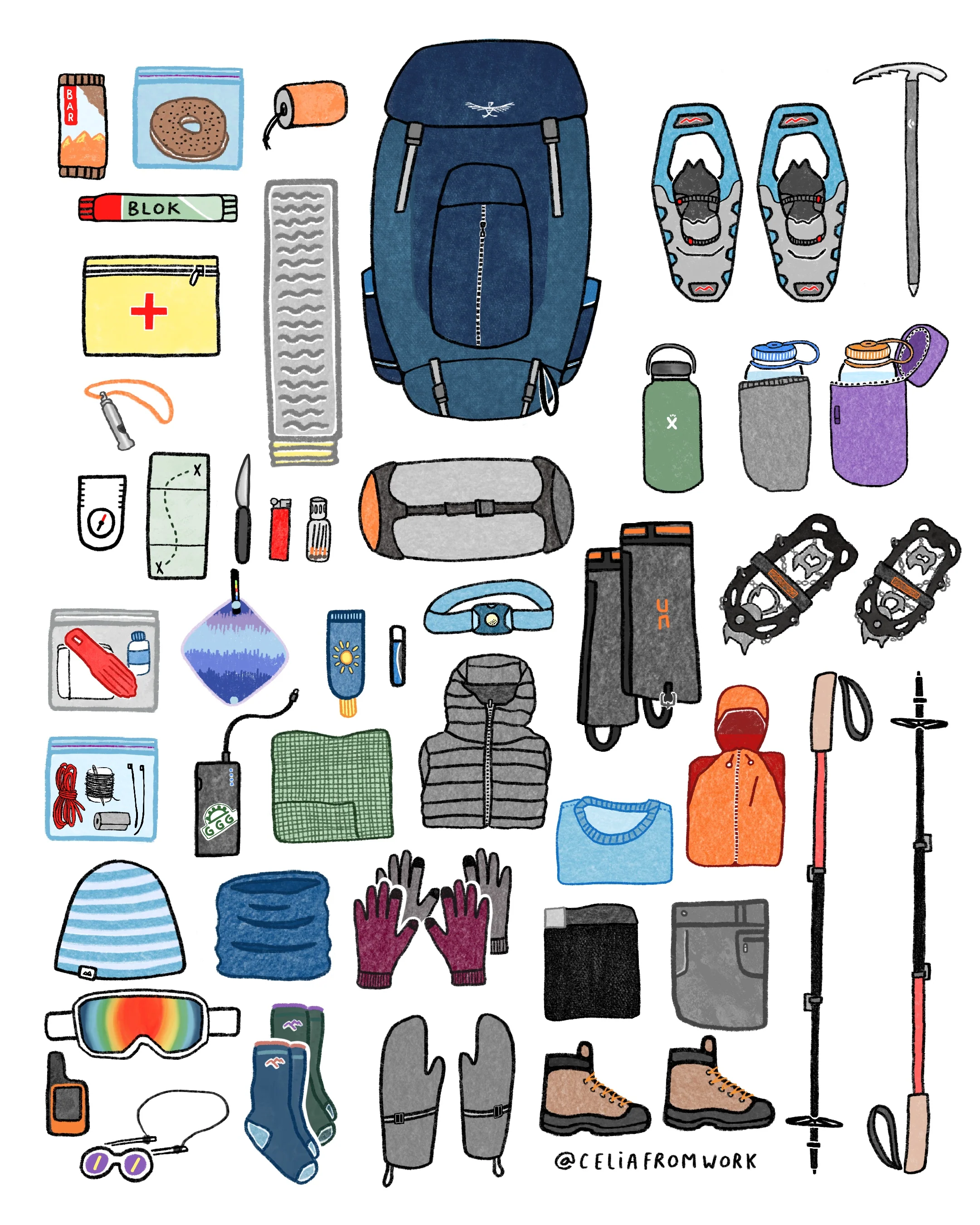
Your footwear is arguably the most important piece of gear when trekking. A good pair of trekking boots will provide stability, support, and protection for your feet, especially on rough or uneven terrain. Look for boots that are:
Waterproof to keep your feet dry
Lightweight yet durable
Provide ankle support to prevent injury
Have good traction for slippery or rocky surfaces
A comfortable and functional backpack is essential for carrying all your gear. Choose a backpack that fits well and is appropriate for the length of your trek:
Day Hike: A small 20-30L daypack should suffice.
Multi-Day Trek: A larger 40-70L backpack is needed for overnight treks, offering space for a sleeping bag, tent, food, and other essentials. Look for padded shoulder straps and a hip belt for better weight distribution.
Trekking often involves changing weather conditions, so dressing in layers is the best approach to stay comfortable throughout the hike. Essential clothing layers include:
Base Layer: Moisture-wicking shirts and underwear to keep sweat off your skin.
Mid-Layer: A lightweight fleece or insulating layer to keep you warm in cooler conditions.
Outer Layer: A waterproof and breathable jacket to protect against rain, wind, and snow.
Trekking Pants: Quick-drying, breathable pants that can handle rugged terrain.
Hats and Gloves: A sunhat for hot weather and a warm hat or gloves for colder conditions.
For longer treks, particularly multi-day hikes, you'll need a tent and sleeping bag. Make sure to choose lightweight options that suit the climate of your destination:
Sleeping Bag: Pick one that is appropriate for the season and temperature range. A 3-season sleeping bag is ideal for most conditions.
Tent: A compact, lightweight tent that’s easy to set up and provides enough shelter from the elements. Look for tents designed for the specific environment you’ll be trekking in (e.g., 3-season tents or waterproof tents for wet climates).
Trekking poles provide stability and reduce strain on your joints, especially on steep or uneven ground. They are especially helpful when descending, as they reduce impact on your knees and provide balance. Choose adjustable poles to match your height and trekking conditions.
Proper hydration and nutrition are critical during a trek. Consider the following:
Water Bottle/Reservoir: Carry a refillable water bottle or a hydration reservoir with a straw for easy access to water.
Water Purification: If you're trekking in remote areas where clean water sources may not be available, pack a portable water filter or purification tablets.
Food: Pack lightweight, high-energy snacks such as trail mix, energy bars, dried fruit, and jerky. For multi-day treks, consider freeze-dried meals, which are easy to prepare and lightweight.
Knowing your way around is crucial when trekking in unfamiliar areas. Equip yourself with:
Map and Compass: A good, detailed map and a reliable compass are fundamental for navigation.
GPS Device/Phone App: A GPS device or a navigation app on your phone can be useful, especially for complex routes or wilderness areas. Always carry backup batteries or a power bank for your devices.
A well-stocked first aid kit is essential for handling minor injuries and emergencies on the trail. Include the basics such as:
Bandages, gauze, and adhesive tape
Pain relievers (ibuprofen, aspirin)
Antiseptic wipes or cream
Tweezers for removing splinters
Blister care (moleskin or blister pads) Consider adding specific medications, such as epinephrine if you have allergies, or altitude sickness medicine if you're trekking at high altitudes.
A small multi-tool or knife is incredibly useful for various tasks on the trail, including preparing food, cutting rope, or making gear adjustments. Choose a lightweight, compact version that fits easily in your backpack.
A headlamp or flashlight is essential for trekking in low-light conditions or for night-time camp setup. Headlamps are especially convenient as they free up your hands for tasks. Be sure to carry extra batteries and a backup light source.
Sun exposure at high altitudes can be intense, so pack sun protection to prevent burns and discomfort:
Sunscreen: Choose a high SPF sunscreen to protect your skin.
Sunglasses: UV-protection sunglasses to shield your eyes from the sun’s glare.
Lip Balm: Protect your lips with a moisturizing lip balm that includes SPF.
Trekking involves potential risks, so it's important to be prepared for emergencies. Some items to include:
Whistle: A whistle can help you signal for help in case of an emergency.
Emergency Blanket: A lightweight emergency thermal blanket can provide warmth in case of unexpected conditions or accidents.
Satellite Messenger or Emergency Beacon: In remote areas, this can be a lifesaver in case of a serious emergency where regular cell service isn’t available.
Having the right gear is crucial for a successful and enjoyable trekking experience. By ensuring you have the essential equipment listed above, you’ll be prepared to handle whatever challenges the trail throws at you. Safe trekking is all about planning ahead, investing in quality gear, and being ready for the unexpected. With these must-have trekking essentials, you’ll be set to take on any adventure with confidence. Happy trekking!
Golden Trekking Tours - Visit Golden Trekking Tours Website

.jpg "Top 10 Places to Hike in Vietnam")
Leave a Reply
Your email address will not be published. Required fields are marked *